2024 Wrapped at GlycoNet
Posted: December 17, 2024
Celebrating accomplishments and progress over the past year in glycomics—the science of complex sugar molecules.
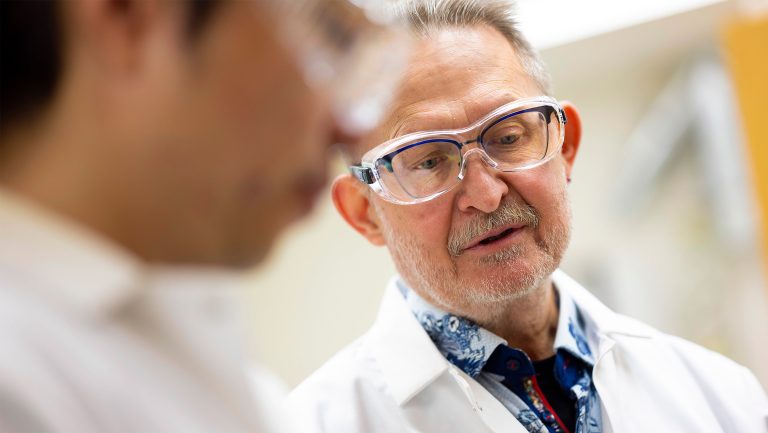
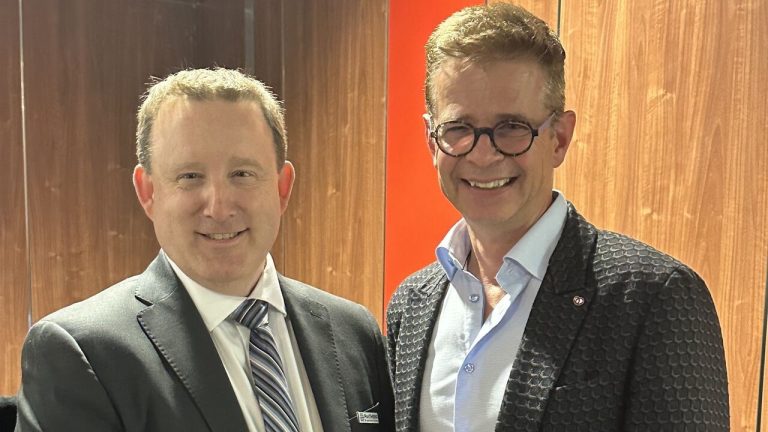
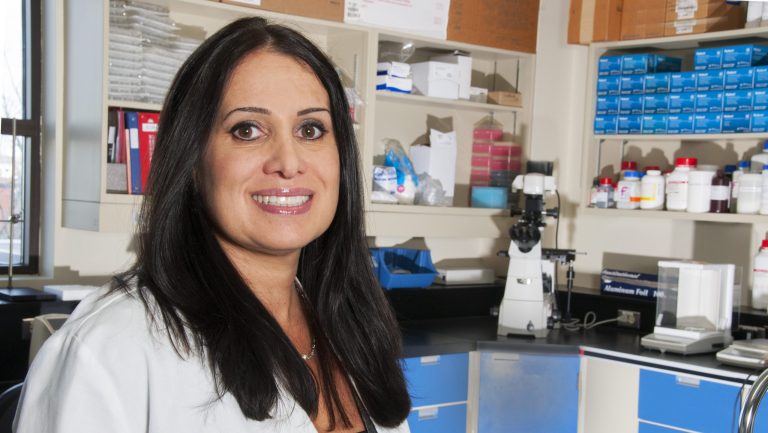
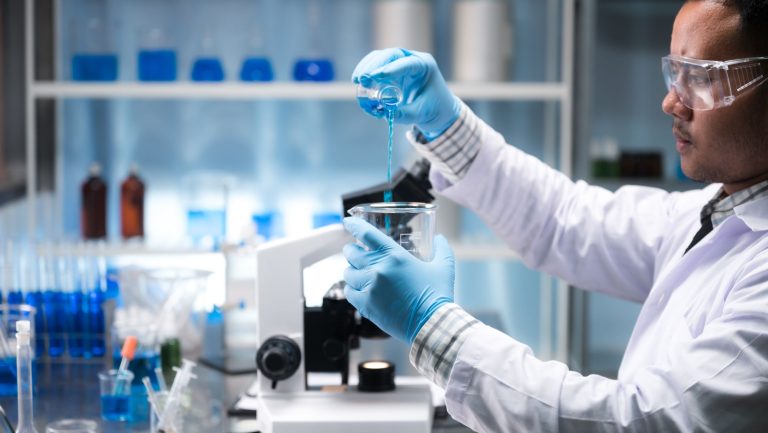
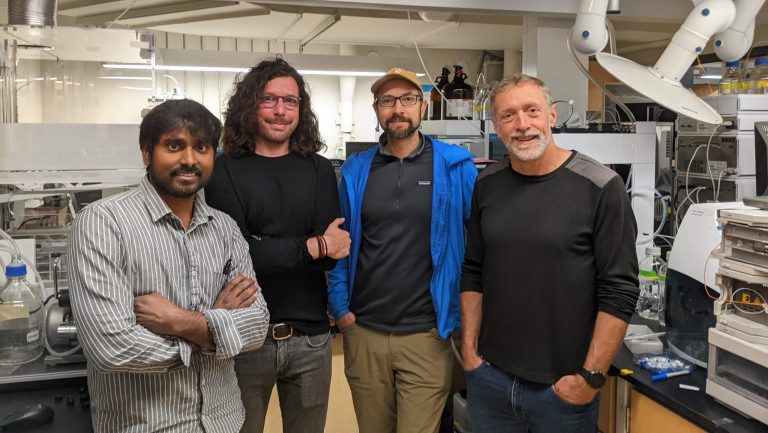




From new investments and partnerships to transformative discoveries in health and biotech, 2024 has been a year to celebrate progress in glycomics—the study of complex sugars or carbohydrates. Thank you to our many partners and our researchers who are using these intricate sugar molecules to develop new tools, diagnostics, therapeutics, and vaccines for a healthier future.
As 2025 approaches, we’re revisiting some of 2024’s greatest hits in glycomics from GlycoNet. This includes award-winning work in cryopreservation, a way to produce more effective antibodies to fight cancer, and advanced biomarkers to monitor and keep marine life healthy.
1. GlycoNet awarded $24.7 million to harness the power of carbohydrates to develop made-in-Canada health solutions
GlycoNet was selected as one of the recipients of the Government of Canada’s inaugural Strategic Science Fund, receiving $24.7 million over five years (2024-2029). This funding enables GlycoNet to continue training the next generation of glyco-scientists, fostering entrepreneurship, and translating carbohydrate research into tangible benefits. GlycoNet is Canada’s largest glycomics research and commercialization network with over 200 research groups across 36 different institutions, and is among the top three glycomics organizations globally. Read more on how GlycoNet is driving innovations across different areas of health.
2. Sugar-based cryopreservation takes home two innovation awards
GlycoNet startup PanTHERA CryoSolutions received both the ASTech Innovation of the Year Award and BioAlberta’s Technology Innovation Award for their pioneering work in cryopreservation. Founded by Jason Acker from the University of Alberta and Robert Ben from the University of Ottawa, PanTHERA CryoSolutions has developed sugar-based Ice Recrystallization Inhibitors (IRIs) that prevent the growth of ice crystals during the freezing and thawing process, addressing a key challenge in cryopreservation of cells and tissue. This innovation significantly minimizes cellular damage, enhancing the viability and functionality of cryopreserved materials for a wide range of applications, from biomedical research to biobanking.
3. $12 million investment in projects studying complex sugars to advance health and agriculture
GlycoNet and its partners together are providing $12 million in funding for 21 projects to develop new therapeutics, tools, and solutions, with $4.5 million coming from GlycoNet and $7.5 million in matching from industry. This funding supports Canadian-led projects that expand our knowledge of complex sugars called glycans and aim to develop cutting-edge tools and treatments in areas including cancer, infectious diseases and pandemic prevention, cardiovascular health, dementia, organ transplantation and other pressing health issues. Read the full announcement.
4. Cost-effective carbohydrate-based vaccine for swine provides alternative to antimicrobials
Mariela Segura from University of Montreal is leading the development of a vaccine against Streptococcus suis, a bacterium that causes infections in pigs and can also infect humans. Currently farmers use extensive antimicrobials, which leads to antimicrobial resistance. The research team is creating a new carbohydrate-based vaccine consisting of parts of the bacteria’s outer sugar coating. However, standard production methods are too expensive to be used in swine production, so the team is working on a more affordable version using synthetic fragments of the sugar coating. Results are promising, and during pre-clinical studies the team identified a prototype that confers protection in the natural host, the pig. This vaccine could protect pigs against S. suis infections without relying on antimicrobials, benefitting both Canada’s $5 billion pork industry and human health.
5. Expanding cutting-edge carbohydrate tools to accelerate research
As with genomics and proteomics, breakthroughs in carbohydrate research are now fundamentally revolutionizing life sciences, thanks to critical advances in technology. GlycoNet Integrated Services (GIS) operates as a national platform of specialized glycomics services, leveraging state-of-the-art infrastructure investments at seven sites across Canada. In 2024, GIS received $1 million from Genome Canada to expand its services, supporting the development of high-precision tools and technologies to further research and development.
6. Sugar-blocking technology “supercharges” antibodies to fight cancer
Cancer continues to be a major health challenge with many forms of cancer remaining difficult to treat. Teams led by David Vocadlo and Rob Britton from Simon Fraser University have developed a much faster and simpler method of producing therapeutic antibodies that could help target different types of cancer. They created a molecule that modifies the sugars on therapeutic antibodies in a way that equips them to fight cancer cells more effectively. The molecule acts as a mimic to “block” a sugar called fucose from being attached to the antibodies. The resulting fucose-deficient antibodies bind up to 50-fold more potently, which could help with targeting cancers that a standard anti-cancer antibody cannot. Read more
7. Next-generation carbohydrate tools to advance drug discovery
A team led by Ratmir Derda at the University of Alberta has developed tools that use harmless bacterial viruses (called phages) to display sugars or proteins as probes within living systems. By precisely controlling how these molecules are presented on tiny, traceable phages, these tools uncover subtle sugar interactions essential to biology and health, such as cancer progression. In doing so, these tools open new avenues for more glycomics research, paving the way for enhanced diagnostics, precision therapies, and accelerated drug discovery. Read more.
8. Sugar-linked biomarkers to monitor marine life
Marine resources are increasingly under pressure from climate change, resulting in mortality outbreaks and fluctuations in populations. Yves St-Pierre from the Institut National de la Recherche Scientifique (INRS) is developing sensitive and predictive biomarkers to monitor the health status of marine life, particularly mussels and fish. By analyzing small blood samples from marine species and correlating the results to glycogenes—genes involved in interactions with complex sugars—he hopes to gather crucial information about environmental impacts. This approach could help protect marine species, support fishing communities, and ensure food safety as ocean environments continue to change due to global warming.
9. Sugar-based blood test for early detection of a rare autoimmune disease
Lisa Willis and Mo Osman from the University of Alberta have found a unique sugar polymer that could serve as a biomarker for scleroderma, a rare but devastating autoimmune disease that damages skin and organs. This sugar polymer is present in higher amounts in patients with severe scleroderma and decreases after treatment. The discovery could lead to a simple blood test to prognosticate which patients are at risk of developing severe symptoms, helping doctors decide on early, effective treatments. Interestingly, this test might also be useful for detecting certain cancers, making it even more valuable for medical professionals. Read more
10. Partnerships to propel glycomics and health solutions
In 2024, GlycoNet signed collaborative agreements with CQDM, the NOVA School of Science and Technology in Portugal, and the Australian Glycoscience Society, with each partnership exploring how we can drive innovative research and transformative health solutions together. Read more about these partnerships
Looking Ahead
As we enter 2025, GlycoNet remains committed to advancing glycomics and glycoscience. By understanding the sophistication of glycoscience, we open doors to healthier communities, stronger ecosystems, and better therapies. We look forward to celebrating more discoveries in the coming year!
Which one is your favourite breakthrough? Share with us on Twitter (@glyconet_nce)!
Discover more from GlycoNet News.

Canadian Glycomics Network
E5-33 Gunning/Lemieux Chemistry Centre
University of Alberta, T6G 2G2
Tel: 78-492-6204
Fax: 780-492-4147