




Posted: December 9, 2026
A look back at this year’s highlights from the GlycoNet community, from growing partnerships to breakthroughs in glycomics—the study of complex sugar molecules.
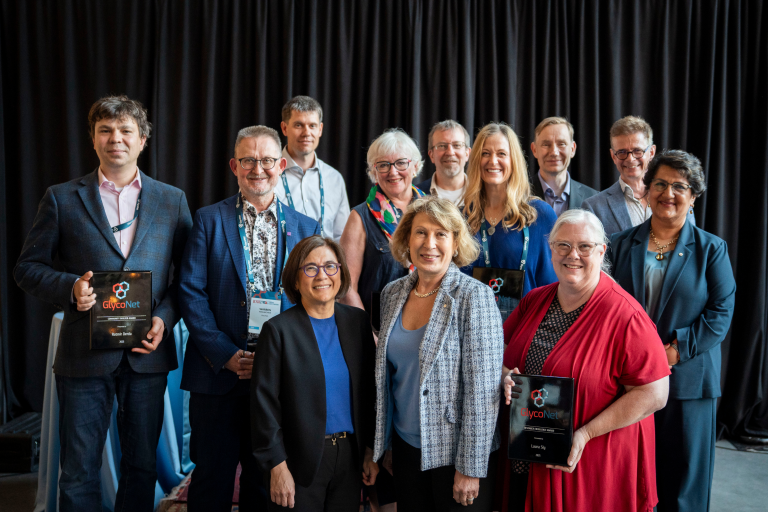
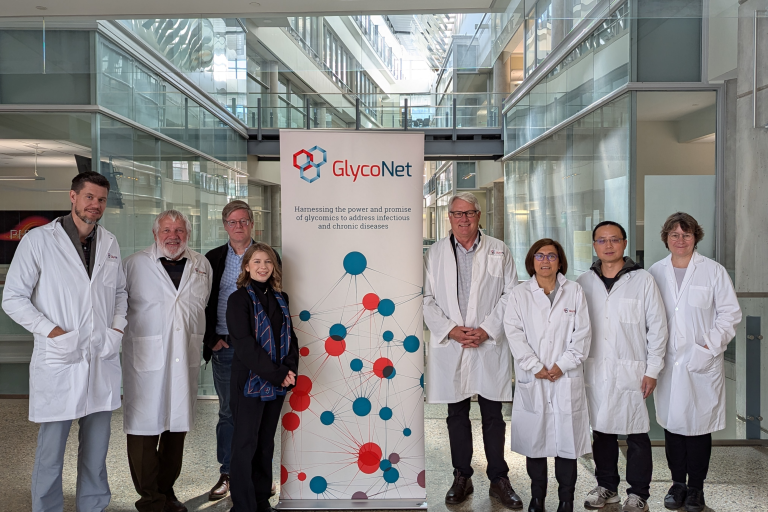
Highlighting a decade of progress in glycomics, GlycoNet celebrated its 10th anniversary in May with over 200 members of the Canadian and international glyco community in attendance, and we released our 10-year impact report. We also recognized some of the incredible contributions from members of the Network with awards:
Glycomics provides a strategic asset for national security, with Canadian researchers advancing innovations that strengthen Canada’s biodefence, health and emergency readiness as well as sustainable food systems. From applications such as sugar-based antivirals and vaccines to solutions for livestock health and climate-resilient crops, glycomics research offers opportunities to protect national sovereignty while growing Canada’s bioeconomy. Read the full op-ed.
GlycoNet-supported startup PanTHERA CryoSolutions negotiated an acquisition deal with BioLife Solutions, expanding the impact of its Ice Recrystallization Inhibitor (IRI) platform while maintaining operations and talent in Canada. Developed out of a collaboration between GlycoNet investigators Robert Ben (University of Ottawa) and Jason Acker (University of Alberta), PanTHERA’s sugar-based cryoprotectants significantly improve the viability of cells, tissues, and organs for advanced therapies, transplantation, and biobanking.
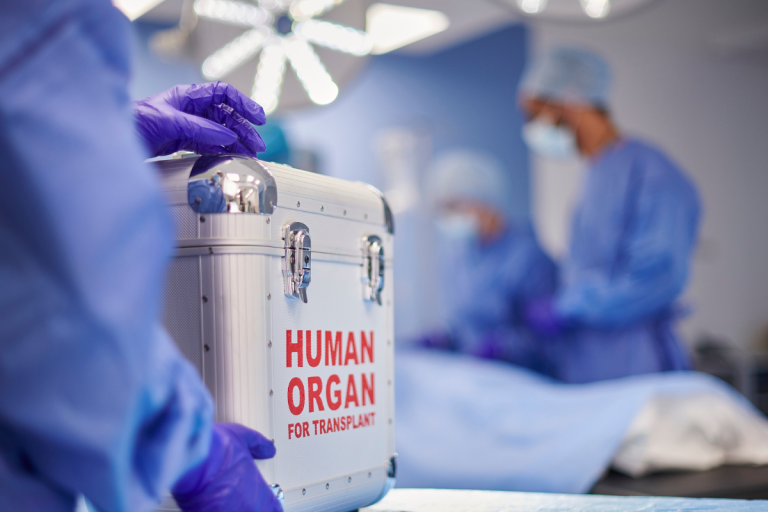
In a world-first, researchers successfully transplanted a donor kidney after converting it from blood type A to the universal type O. Using an enzyme system that precisely “edits” the sugars determining blood type, the team removed a key barrier to organ compatibility. The study, completed in collaboration with GlycoNet-supported startup Avivo Biomedical and GlycoNet researchers Stephen Withers and Jayachandran Kizhakkedathu (University of British Columbia), marks a major leap toward more accessible and equitable organ donation. Read the full announcement. CBC also made an explainer video about the breakthrough.
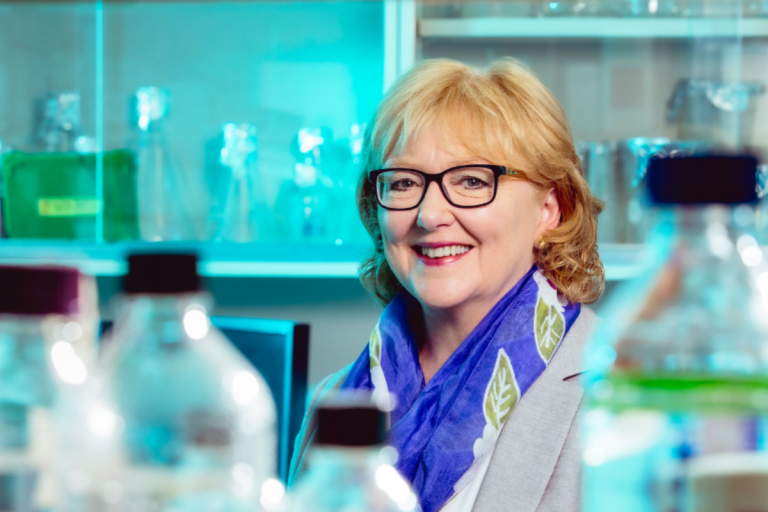
GlycoNet investigator Lori West (University of Alberta) was recognized by the Heart & Stroke Foundation for the impact of her work in ABO-incompatible transplantation. By understanding how specific sugar molecules on cells—ABO antigens—and the antibodies we produce against them determine immune rejection, West’s research has transformed infant patient outcomes worldwide by making previously impossible heart transplants viable for infants worldwide. View this video about her impact.
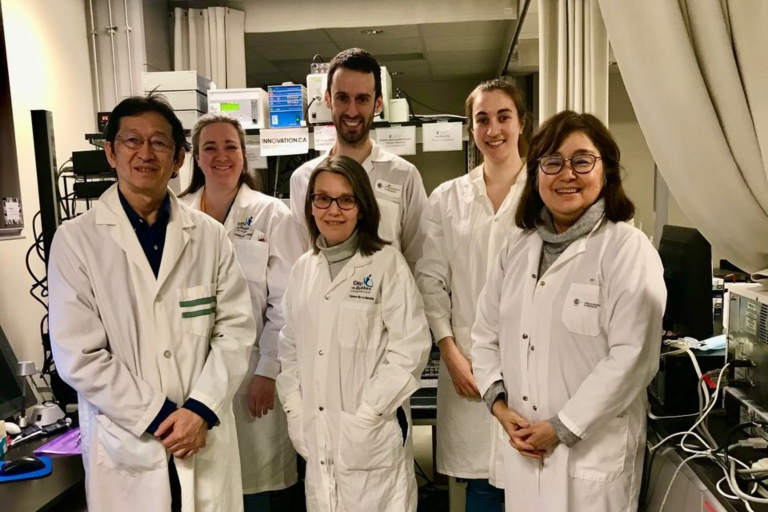
A research team led by GlycoNet investigator Sachiko Sato (Université Laval) reported encouraging results using N-acetylglucosamine (GlcNAc), a sugar derived from glucose, in mouse models of Duchenne muscular dystrophy. Daily oral administration of GlcNAc increased spontaneous muscle activity and improved overall muscle health, matching the effects of prednisolone and showing additive benefits when combined. Because this sugar occurs naturally in the body and is expected to carry fewer side effects than corticosteroids, the study points toward a potential low-cost therapeutic strategy. Full story available in French
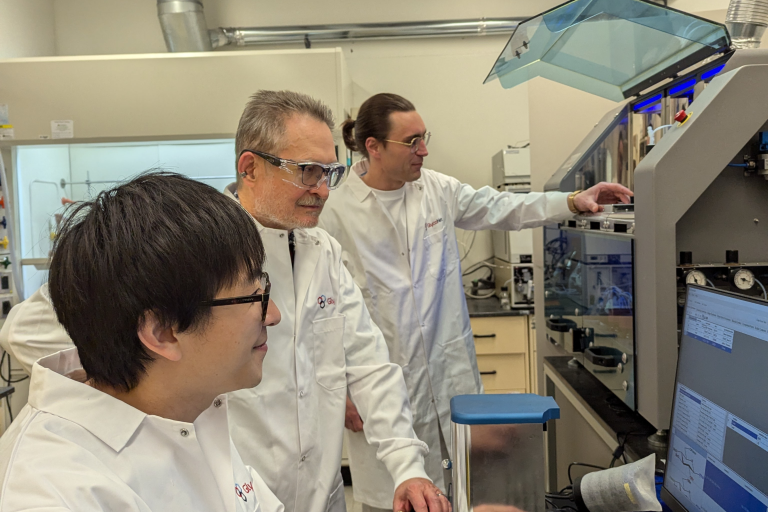
GlycoNet researchers Harry Brumer and Laura Sly (University of British Columbia) have developed GlycoCaging, a carbohydrate-based system that shields potent drugs until they reach specific bacteria in the lower gut. In mouse models of inflammatory bowel disease, this approach achieved full therapeutic effect at doses three to ten times lower than current treatments and sharply limited drug exposure to the rest of the body. The research team has patented the technology and will now move onto more advanced animal trials and human clinical trials. Read more about the discovery.
A team led by GlycoNet investigator Simonetta Sipione (University of Alberta) identified a previously unknown function for gangliosides (brain molecules made of fats and sugars) in driving the formation and release of extracellular vesicles. These vesicles are tiny particles essential for neuronal communication and waste clearance. The discovery helps explain why ganglioside loss worsens conditions such as Huntington’s disease and points to new therapeutic strategies. Read more about this research.
Honeybees are essential to global food production and underpin a honey and beeswax industry valued at more than $20 billion worldwide, yet viral infections continue to threaten colony health. A team led by GlycoNet researcher Trushar Patel (University of Lethbridge) is investigating how sugar-dependent infection mechanisms affect honeybees. By identifying these pathways, the research could guide antiviral strategies that support bee colony health, pollinator resilience, and global food security.
Alberta Innovates and GlycoNet announced a joint investment of $2 million to support translational research and commercialize technologies that enhance patient care. Over the next three years, the funding will support approximately seven Alberta-led research projects that study glycomics to improve disease detection, treatment, and prevention. These discoveries could inform the development of new classes of vaccines, precision diagnostics, and targeted therapies.
Canadian Glycomics Network
E5-33 Gunning/Lemieux Chemistry Centre
University of Alberta, T6G 2G2
Tel: 78-492-6204
Fax: 780-492-4147
© CANADIAN GLYCOMICS NETWORK (GLYCONET). ALL RIGHTS RESERVED.